
Use Power to Elevate, Not Manipulate – Fearlessly Seeing Potential (Without Turning Into a Cautionary Tale)
- John Coe

- Nov 24, 2025
- 3 min read

To the ambitious professionals in the IJCRE community: you’ve chosen a sector where influence isn’t just useful—it’s the entire ecosystem. From deal terms to community impact, power determines outcomes. But not all power is created equal. And not all of it is worth having.
According to The 50th Law (by Robert Greene and 50 Cent—yes, really), fear is the primary obstacle to meaningful influence. It’s the thing that pushes people into reactive choices, groupthink, or tactical manipulation. Spoiler: none of those lead to anything enduring.
The Icons of DC Area Real Estate don’t play that game. Their version of power doesn’t come from maneuvering in the shadows. It comes from visibility, bold decisions, and the repeated choice to elevate—partners, projects, and places. Here’s how they’re doing it, and how you can too.
1. Choose Realism Over Illusion—Even When It’s Uncomfortable
In commercial real estate, especially during cycles of volatility, leaders are constantly surrounded by noise: market anxiety, transactional chaos, short-term panic. The only way through is clarity—Intense Realism, the kind that isn’t clouded by fear or vanity metrics.

Matt Kelly, CEO of JBG Smith, exemplifies this mindset. Inspired by leaders like Ernest Shackleton (the Antarctic explorer, not your local landlord), Kelly leans into the discipline of calm leadership under pressure. Realism here doesn’t mean pessimism. It means clarity without delusion.

Bill Janes, an investor with a taste for going against the grain, makes a similar case. His firm avoids high-debt, high-heat plays, preferring contrarian infrastructure bets like data centers. His advice? “Go where people are not.” Which sounds poetic, but is really just disciplined contrarianism backed by numbers.
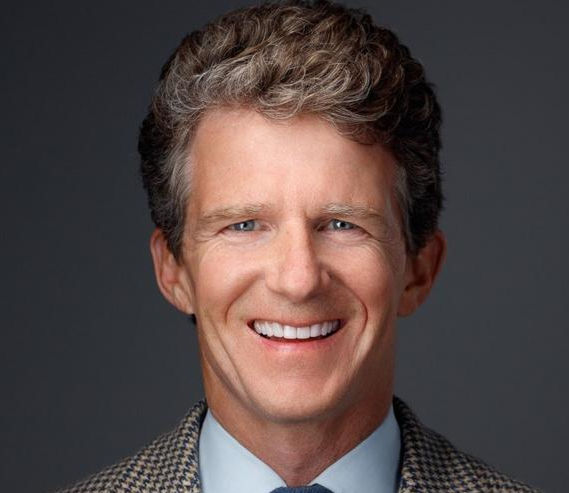
Willy Walker, CEO of Walker & Dunlop, also made strategic moves by choosing scale when others stayed fragmented. His consolidation of the agency business into a single platform wasn’t just bold—it was structurally sound, and built for long-term resilience. It was also the result of seeing opportunity beyond legacy silos.
2. See Hidden Value—and Be Willing to Build It
Great leaders don’t just recognize value; they create it. Often in places no one else is looking.

Vicki Davis, a standout developer, navigated the Walter Reed redevelopment—an approval process as complex as it was public—by aligning community priorities with long-term vision. She didn’t just get the deal done; she reshaped what that site could mean to the surrounding neighborhoods.

Jodie McLean, CEO of EDENS, brings this same approach to emotionally resonant placemaking. Her firm has transformed spaces like Union Market in D.C. and Mosaic in Northern Virginia into vibrant hubs of community life—where design, experience, and commerce work together. These aren’t just developments; they’re destinations with an identity. She describes them as “sensual”—not in the scented-candle way, but in the way that people feel something when they’re there. Emotional connection becomes part of the asset value.
Walker & Dunlop also earns another mention—not just for what it acquired, but how it evolved. Willy Walker brought in capable leaders, built cross-functional teams, and acquired strategic platforms like Column Financial not to brag about M&A volume, but to create depth and synergy across the business.
3. Character Still Matters—Even If It’s Unfashionable
Let’s be honest: there are plenty of people in real estate who confuse power with control, and control with intimidation. That version of leadership might get you a few short-term wins and a spot on someone’s “Do Not Partner” list.
Willy Walker calls them “cultural terrorists”—the ones who lead with ego and enforce by fear. He recommends something radical instead: empathy. Not performative kindness. Real, strategic empathy. The kind that builds durable teams and sustainable performance.

Doug Firstenberg, co-founder of Stonebridge, leads a firm known for its long, collaborative partnerships. Integrity is not a talking point—it’s the business model. And it’s that consistency over time that becomes its own kind of influence.
And when mistakes happen (because they will), Matt Kelly makes the case for humility. His mentors taught him that in partnership deals, you never try to spin failure. You present the reality, own your part of it, and lead with transparency. It turns out trust isn’t built in victory—it’s built in fallout.
Real Power Builds, It Doesn’t Extract
Think of power less like a spotlight and more like infrastructure. You can channel it into your own short-term gain and burn everything around you out—or you can build systems that raise the capacity of everyone involved.
Elevating people, projects, and communities isn’t idealism. It’s strategy. The more you invest in sustainable value, the more durable your influence becomes.
So yes, you’re in an industry shaped by power. The question is: are you using it to shape the future, or just trying to win the moment?
Choose accordingly.


Comments